Cognitive decline is not an inevitable consequence of aging. The research on what drives it, and what prevents it, has become substantially clearer over the past two decades. While genetics play a role, the majority of cognitive aging outcomes are influenced by modifiable factors: lifestyle, nutrition, sleep, social engagement, and the management of cardiovascular risk. Natural compounds and herbs play a supporting role in this picture, and several have evidence strong enough to justify their inclusion in a preventive strategy.
The Circulatory Connection
One of the most consistent findings in cognitive aging research is the tight link between cerebrovascular health and cognitive function. The brain consumes approximately 20 percent of the body’s oxygen and glucose despite representing only 2 percent of its mass. Any compromise in cerebral blood flow, whether from arterial stiffness, microvascular damage, or reduced cardiac output, directly affects cognitive performance and long-term neural health.
This is why circulatory-supporting herbs have the strongest track record in cognitive health research. Ginkgo biloba works primarily through this mechanism, improving both macro and microcirculation in the brain while providing direct antioxidant protection to neural tissue. Its effect on cerebral blood flow has been measured directly using imaging technology in clinical trials, providing a mechanistic explanation for its cognitive benefits that goes beyond subjective improvement in test scores.
Inflammation as a Driver of Cognitive Aging
Neuroinflammation is increasingly understood as a central mechanism in age-related cognitive decline and neurodegenerative disease. Chronic low-grade inflammation, driven by oxidative stress, poor diet, sleep disruption, and chronic stress, damages neurons and synapses over time in ways that accumulate into measurable cognitive change. Natural compounds with documented anti-neuroinflammatory activity are therefore among the most relevant for cognitive protection.
Curcumin, the active compound in turmeric, has perhaps the most extensive research base in this category. Its ability to inhibit NF-kB mediated inflammatory signaling in neural tissue has been demonstrated in both laboratory and clinical settings. Omega-3 fatty acids, particularly DHA, are critical structural components of neural membranes and have well-documented anti-inflammatory effects in central nervous system tissue. Together these two compounds address neuroinflammation through complementary mechanisms.
Neuroprotective Antioxidants
Neural tissue is particularly vulnerable to oxidative damage because of its high metabolic rate and relatively limited antioxidant defense systems compared to other tissues. Compounds with the ability to cross the blood-brain barrier and provide direct antioxidant protection to neurons are genuinely relevant for long-term cognitive protection.
Resveratrol has attracted significant research attention in this context, with laboratory studies showing activation of SIRT1 and AMPK pathways that support neuronal survival, and clinical studies showing modest but real benefits for memory and cognitive flexibility in older adults. Pterostilbene, a methylated analogue of resveratrol found in blueberries, has better bioavailability and shows similar or greater activity in brain tissue in animal studies.
Sleep, Stress, and the Herbs That Support Them
Chronic sleep deprivation and elevated cortisol from unmanaged stress are two of the most powerful drivers of cognitive decline, both acting directly on hippocampal structure and function over time. Any natural approach to cognitive protection that ignores these factors is working around the most significant modifiable contributors.
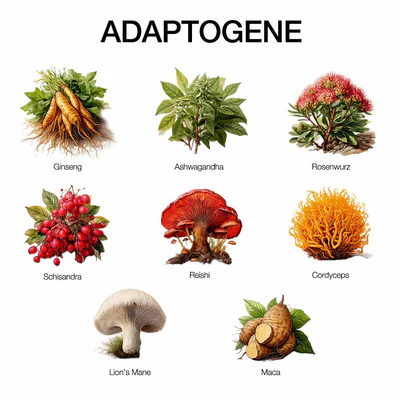
Adaptogens with clinical evidence for stress response modulation are therefore relevant here. Ashwagandha has the strongest evidence for cortisol reduction and stress-related cognitive improvement. Rhodiola rosea has consistent clinical evidence for mental fatigue reduction and attention maintenance under stress. Valerian and passionflower have evidence for sleep quality improvement that is modest but real and meaningfully relevant to cognitive outcomes given sleep’s role in neural repair and memory consolidation.
Lifestyle Factors: The Evidence Hierarchy
Natural compounds and herbs are genuinely useful additions to a cognitive health strategy, but the evidence hierarchy is clear. The interventions with the strongest evidence for cognitive protection in the long-term clinical literature are, in order: regular aerobic exercise, quality sleep, cognitively stimulating activity, social engagement, cardiovascular risk factor management, and a diet rich in polyphenols and omega-3 fatty acids. Natural supplements work best as additions to this foundation, not replacements for it.
• Regular aerobic exercise has the strongest evidence of any single intervention for neurogenesis and cognitive protection
• Seven to nine hours of quality sleep is when the glymphatic system clears neurotoxic waste products from the brain
• A diet rich in polyphenols from varied plant sources provides the raw material for antioxidant defense in neural tissue
• Evidence-backed herbs and supplements add meaningful support within this framework without substituting for it
Building a cognitive health strategy that integrates lifestyle foundations with evidence-backed natural supplements gives you the best available approach to protecting and maintaining cognitive function across the decades. The earlier it starts, the more protection it provides, because the neurological changes that drive age-related decline begin decades before symptoms appear.

