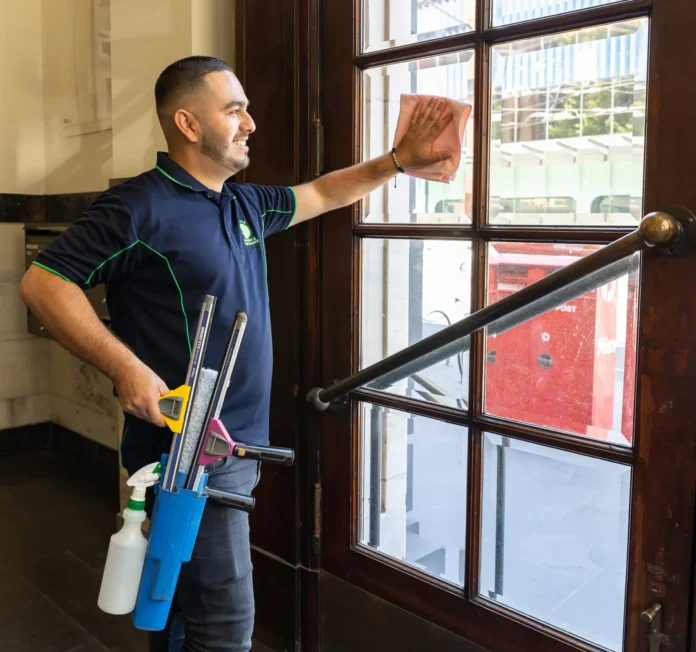
A workplace can lose its clean and professional appearance quickly when hundreds of small daily activities are repeated across the same space. Professional commercial office cleaning helps businesses manage the dust, waste, marks, spills, and general build-up created by employees and visitors. Rather than relying on occasional intensive cleaning, a planned schedule can address reception areas, workstations, meeting rooms, kitchens, bathrooms, and floors according to how frequently each part of the premises is actually used.
The right commercial office cleaning service should be structured around the workplace instead of forcing every business into the same routine. Office size, employee numbers, operating hours, visitor traffic, floor types, and shared facilities can all affect cleaning requirements. A busy corporate office may need regular attention across several zones, while a smaller workplace may benefit from a more focused schedule that prioritises its most frequently used areas.
Businesses arranging office cleaning Melbourne workplaces should also consider how seasonal weather, hybrid work patterns, events, and changes in staffing can affect the condition of the premises. A cleaning plan that worked when an office was half occupied may no longer be suitable after the workforce expands. Regular reviews help ensure the schedule continues to match real workplace activity rather than following arrangements that have become outdated.
A Cleaning Schedule Should Follow the Rhythm of the Workplace
Office activity is rarely distributed evenly across every day and every room. Some workplaces are busiest early in the week, while others experience higher traffic around client meetings, training sessions, or project deadlines.
Understanding these patterns can improve the cleaning schedule. High-use spaces may need attention more frequently, while areas that remain empty for long periods may require less regular work.
This approach can help businesses use cleaning time more effectively. It also reduces the likelihood of busy areas becoming visibly neglected while quiet spaces receive unnecessary attention.
Reception Areas Need to Remain Ready for Visitors
The entrance and reception area often provide the first physical impression of a business. Floors, glass, seating, counters, and other visible surfaces can influence how visitors perceive the wider workplace.
These spaces face additional challenges because they connect directly with the outdoors. Foot traffic can bring in dust, moisture, and debris throughout the day.
Weather conditions may change how frequently the entrance requires attention. A flexible cleaning plan can account for these variations instead of treating the area exactly the same throughout the year.
Shared Workspaces Can Become Untidy Faster Than Private Offices
Modern workplaces often include shared desks, breakout areas, collaboration zones, and communal equipment. These spaces can experience frequent use by different employees throughout the day.
Cleaning requirements should reflect this movement. Shared tables, chairs, storage areas, and commonly used equipment may need more regular attention than spaces assigned to one person.
The office layout should also be reviewed when furniture or work patterns change. A newly created collaboration area may quickly become one of the busiest parts of the workplace and should be added to the cleaning plan accordingly.
Office Kitchens Need More Than End-of-Day Tidying
Kitchens and break rooms can become difficult to manage because they are used repeatedly for drinks, meals, and food preparation. Spills and crumbs may appear throughout the day, while waste can accumulate quickly.
Benchtops, sinks, taps, tables, appliance surfaces, cupboard handles, and floors all require attention. The frequency should depend on the number of people using the space.
Responsibilities should also be clear. Employees may need to manage personal dishes and food, while professional cleaners complete agreed tasks. Defining these roles can reduce confusion and help keep the area more manageable.
Bathrooms Should Be Cleaned According to Usage Levels
Bathroom requirements are strongly influenced by the number of employees and visitors using the facilities. A schedule suitable for a small office may not be adequate for a large workplace.
Toilets, basins, taps, mirrors, handles, floors, and dispensers all form part of the overall condition of the space. Consumable levels may also need monitoring depending on the service arrangement.
Businesses should pay attention to when problems occur. If facilities regularly become untidy well before the next scheduled clean, the service frequency may need adjustment.
Meeting Rooms Can Affect Important Business Interactions
Meeting rooms may be used for presentations, interviews, client discussions, training, and internal collaboration. Their condition can influence the experience of both employees and visitors.
Tables, chairs, screens, whiteboards, and other shared features may show signs of repeated use. Food and drinks can add crumbs, spills, cups, and waste.
Frequently booked rooms may need a different cleaning routine from spaces used only occasionally. Businesses should consider actual booking patterns when deciding how these areas are maintained.
High-Touch Surfaces Should Be Identified, Not Assumed
Some of the most frequently handled surfaces in an office are easy to overlook. Door handles, access controls, light switches, lift buttons, taps, and shared appliance controls can receive repeated contact.
A general visual inspection may not identify these areas because they do not always appear obviously dirty. They should be included deliberately within the cleaning routine.
Each workplace has different high-touch points. Observing how employees and visitors move through the building can help identify which surfaces deserve more consistent attention.
By reviewing workplace patterns and adjusting the schedule as conditions change, businesses can maintain a cleaner and more professional environment. Consistency comes from matching the cleaning programme to the way the office actually operates every day.

