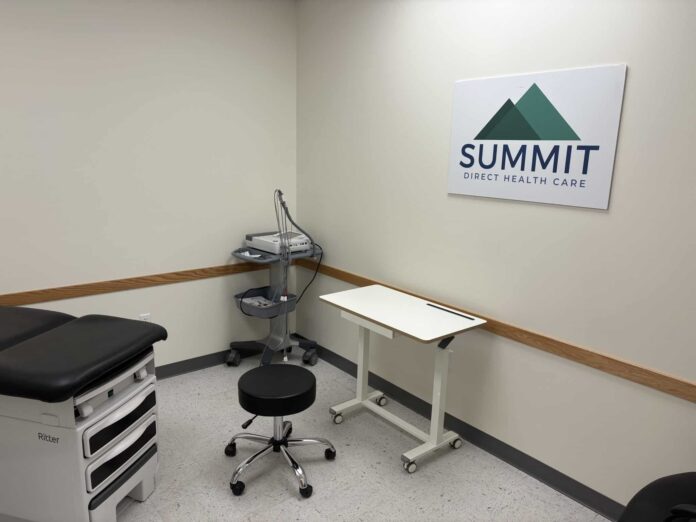
Finding a family doctor who truly has time for you can feel like a part-time job. You wait weeks for an appointment, sit in a crowded lobby, and then get about ten minutes before the next patient walks in. Direct primary care, often called DPC, was built to fix that problem, and the affordable direct primary care cost surprises many people who expect it to be out of reach.
The idea is simple. Instead of billing insurance for every visit, you pay a flat monthly membership straight to your doctor, and that fee covers most of your everyday care. Because the monthly price is predictable, it becomes much easier to plan around than surprise bills.
Patients often wonder what a normal visit looks like. In most practices, you can text or call your doctor, book a same-day visit, and spend thirty minutes or more talking through your health. Reading about a typical day in one also shows why so many family doctors have chosen this model for their own practices.
Because your doctor sees fewer patients, they actually get to know you. They remember your family history, your stress at work, and the medicine that gave you a bad reaction three years ago. That kind of attention makes it easier to catch small problems early, before they turn into expensive emergencies that disrupt your life.
Another big benefit is time. Longer appointments mean you can ask every question on your mind without watching the clock. Your doctor can explain test results in plain language, talk about food and sleep, and build a plan that fits your real life instead of handing you a generic pamphlet on the way out.
See how direct primary care helps families. Parents can reach a doctor when a child has a fever at night, and older adults can get help managing long-running conditions like blood pressure or diabetes without a stressful trip to a clinic. Many practices offer discounted labs and common medications, which can add up to savings over a year.
It is worth remembering that direct primary care is not a replacement for health insurance. Most doctors suggest keeping a plan for hospital stays, surgeries, and specialist care, and some people pair their membership with a high deductible plan to keep total costs reasonable. Talking with a practice about how the two fit together is a smart first step.
When you start looking for a practice, ask a few simple questions. How many patients does each doctor see? What is included in the monthly fee? How quickly can you get an appointment, and how do you reach the doctor after hours? Clear and friendly answers are a good sign that the practice values transparency and treats patients like people.
Direct primary care can be a great fit for self-employed workers, small business owners, and families who feel frustrated with rushed visits. Employers are also starting to offer memberships as a workplace benefit, since healthier and more supported employees may miss fewer days of work and feel more valued by their company.
The idea is clearly catching on. Doctors, patients, and employers are all paying closer attention to the growing interest in direct primary care, and many families who made the switch are glad they did, and they enjoy longer visits. If you want a doctor who knows your name, answers your questions, and gives you real time, it may be worth exploring a local DPC practice this year. A short conversation with a nearby family doctor could be the first step toward feeling healthier, calmer, and truly cared for.

