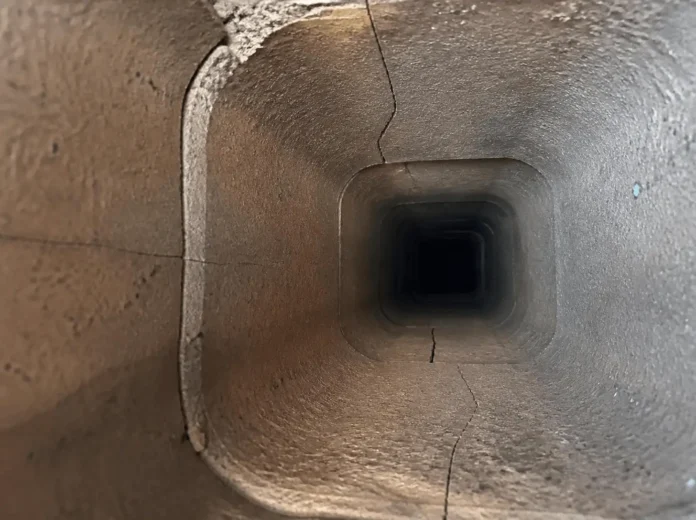
A chimney is an important part of many homes, especially for homeowners who enjoy using a fireplace during colder months. However, because chimneys are often located outside and above the roofline, they are easy to forget about until a problem appears.
For homeowners throughout Greater Boston, Eastern Massachusetts, and Central Massachusetts, regular chimney maintenance is especially important. Cities and communities such as Boston, Cambridge, Newton, Brookline, Quincy, Waltham, Lexington, Framingham, Worcester, and surrounding areas experience harsh winters, heavy rain, snow, and frequent temperature changes that can affect chimney performance over time.
Many homeowners have questions about chimney care but are unsure where to start. Understanding the basics of chimney maintenance can help prevent expensive repairs, improve fireplace performance, and protect the home from avoidable damage.
How Often Should a Chimney Be Inspected?
One of the most common chimney maintenance questions homeowners ask is how often an inspection is needed. In general, chimneys should be inspected at least once a year, especially if the fireplace or heating appliance is used regularly.
Annual inspections help identify early warning signs such as cracked masonry, damaged chimney liners, moisture issues, creosote buildup, blockages, or problems with chimney caps and flashing.
For Massachusetts homeowners, yearly inspections are particularly valuable because winter weather can place significant stress on chimney systems. Freeze and thaw cycles can cause small cracks to expand, while moisture exposure can gradually weaken masonry.
Regular inspections allow homeowners to address minor concerns before they become larger and more expensive repairs.
Why Does a Chimney Need Regular Cleaning?
Many homeowners assume chimney cleaning is only necessary when there is visible smoke or a noticeable problem. However, chimney cleaning is a preventative maintenance step that helps keep the system operating safely.
When wood burns, it produces smoke particles and creosote, a flammable substance that can collect inside the chimney flue. Over time, excessive buildup can restrict airflow and increase the risk of chimney fires.
Cleaning removes accumulated debris and buildup while also allowing professionals to look for signs of damage inside the chimney. Even fireplaces used occasionally can develop deposits that should be evaluated.
What Are the Signs That a Chimney Needs Repairs?
Chimney problems are not always obvious, but there are several warning signs homeowners should pay attention to.
Visible cracks in bricks or mortar, loose masonry, water stains near the fireplace, rust around fireplace components, unusual odors, smoke entering the room, or difficulty getting a fire to burn properly may indicate that the chimney needs attention.
Exterior signs are also important. Damaged chimney caps, cracked crowns, missing mortar, or white staining on brick surfaces can point to moisture problems.
Homeowners should avoid waiting until damage becomes severe. A small repair today may prevent much larger restoration work later.
Can Rain and Snow Damage a Chimney?
Yes, moisture is one of the biggest causes of chimney damage. Rain, snow, and ice can enter through small openings in masonry, damaged flashing, cracked chimney crowns, or missing chimney caps.
During cold Massachusetts winters, water trapped inside chimney materials can freeze and expand. This repeated process can cause bricks to crack, mortar joints to deteriorate, and structural problems to develop.
Proper chimney maintenance helps prevent moisture-related damage by identifying weak areas and correcting them before water can cause extensive harm.
Do Chimney Caps Really Make a Difference?
Although chimney caps are small components, they play an important role in protecting the chimney system.
A chimney cap helps keep rain, snow, leaves, animals, and debris from entering the flue. Without a properly functioning cap, moisture and unwanted materials can create blockages and contribute to damage.
Animal nests and debris inside the chimney can also affect airflow and create safety concerns. Replacing a damaged or missing chimney cap is a simple maintenance step that can help protect the entire chimney structure.
How Can Homeowners Tell If Their Chimney Has Water Damage?
Water damage inside a chimney is not always easy to identify immediately. Some homeowners first notice discoloration on ceilings or walls near the fireplace, damp smells, peeling paint, or visible moisture around the firebox.
However, water may travel through different areas of the home before becoming visible. The source of the problem could be the chimney crown, flashing, masonry, or another component.
A professional inspection can help determine where moisture is entering and what repairs are needed to prevent further damage.
Is Chimney Maintenance Necessary If the Fireplace Is Rarely Used?
Yes. A chimney can still develop problems even if the fireplace is not used frequently.
Unused chimneys can experience moisture intrusion, animal nesting, debris buildup, deteriorating masonry, and damaged components. In some cases, these issues develop without any obvious signs until they become serious.
Homeowners should think of chimney maintenance as part of overall home protection, not just fireplace preparation. The chimney remains exposed to outdoor conditions all year long, whether the fireplace is being used or not.
What Happens During a Professional Chimney Inspection?
A chimney inspection typically involves checking the exterior structure, fireplace area, flue condition, chimney cap, crown, flashing, and other important components.
Depending on the inspection level, professionals may use specialized tools to examine areas that cannot be seen from the outside. This helps identify hidden issues such as liner damage, internal cracks, or buildup inside the flue.
Homeowners who want to learn more about chimney care, maintenance tips, and related topics can Read Our Blogs for additional helpful information.
Should Chimney Repairs Be Completed Before Winter?
Preparing a chimney before winter is one of the best ways to avoid unexpected problems during the coldest months of the year.
Before using a fireplace regularly, homeowners should consider scheduling an inspection, cleaning, and any necessary repairs. Addressing issues before winter arrives can help prevent emergency situations when temperatures drop and fireplace use increases.
For homes throughout Greater Boston, Eastern Massachusetts, and Central Massachusetts, winter preparation is especially important because snow, ice, and freezing temperatures can quickly worsen existing chimney problems.
Can Regular Maintenance Save Homeowners Money?
Preventative maintenance is often much more affordable than major repairs. A damaged chimney crown, small masonry crack, or minor flashing issue may be repaired relatively easily when discovered early.
When these problems are ignored, moisture can spread, masonry can deteriorate, and repairs may become significantly more complex.
Regular chimney care helps homeowners protect their investment, maintain a safer fireplace system, and avoid unexpected expenses caused by preventable damage.
Key Takeaways
Chimney maintenance is an essential part of protecting a home, especially in areas of Massachusetts where seasonal weather creates additional challenges. Annual inspections, regular cleaning, moisture prevention, and timely repairs can help keep chimney systems safe and functional.
Homeowners should watch for warning signs such as cracks, leaks, odors, smoke problems, damaged caps, and deteriorating masonry. Addressing these issues early can prevent costly repairs and extend the life of the chimney.
By understanding common chimney maintenance questions and taking proactive steps, homeowners throughout Greater Boston, Eastern Massachusetts, and Central Massachusetts can enjoy their fireplaces with greater confidence and peace of mind.

