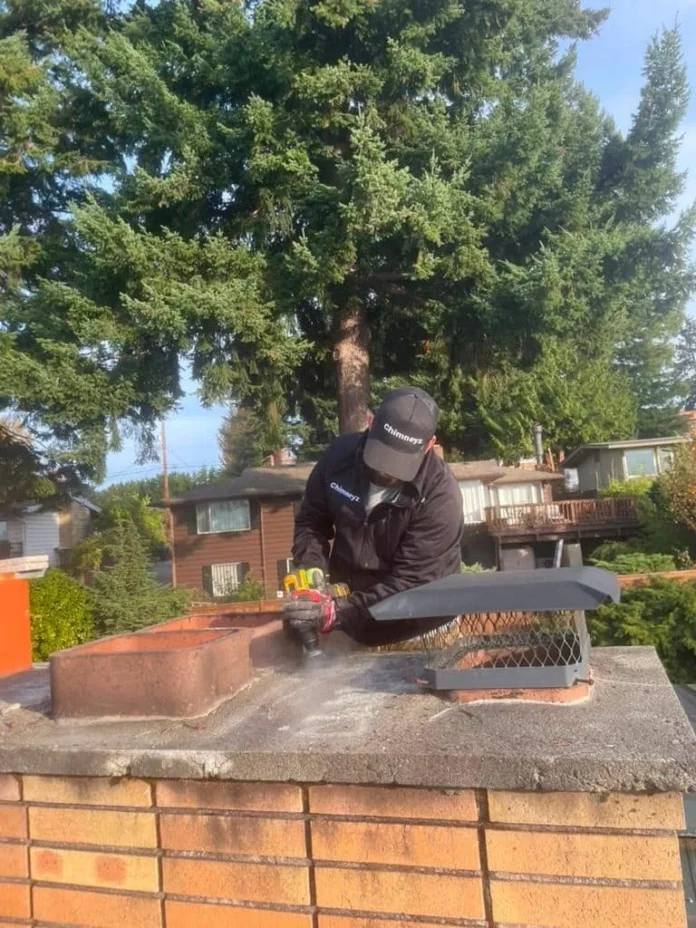
Maintaining the structural integrity and safety of a property requires consistent attention to systems that are often out of sight. Among these, ventilation and exhaust structures play a critical role in regulating indoor air quality, managing combustion byproducts, and preventing structural fires. Whether managing a historic home with a traditional brick flue or overseeing a modern commercial facility with complex exhaust ductwork, property owners face unique challenges in keeping these systems operational and compliant with local building codes.
When structural vulnerabilities or performance drops occur, relying on specialized expertise becomes essential. Property owners frequently seek out certified professionals to diagnose structural draft issues, clear dangerous creosote accumulations, or reline deteriorating flues. For those looking to address these specific structural challenges, they can easily Discover Chimneyz solutions to explore specialized inspection, repair, and relining options tailored to both modern and traditional architectural setups. By addressing ventilation issues early, property owners protect their investments from smoke damage, moisture intrusion, and severe structural degradation.
The Physics of Proper Draft and Ventilation
A ventilation system relies heavily on the stack effect, a physical phenomenon driven by differences in indoor and outdoor air density. When warm air inside a flue rises, it creates a pressure differential that draws combustion gases upward and out of the building. However, this natural draft can be easily disrupted by several environmental and structural variables.
Atmospheric Pressure and Backdrafting
External wind patterns, high outdoor temperatures, and tight building envelopes can stall a natural draft. In highly sealed, energy-efficient modern buildings, negative air pressure often develops. This negative pressure pulls exhaust gases backward into the living space, a dangerous condition known as backdrafting. Correcting this requires precise calculations of air changes per hour and, in some cases, the installation of mechanical draft induction fans or dedicated outdoor intake vents.
Thermal Dynamics of Flue Materials
The material lining a ventilation shaft directly impacts how quickly a strong draft is established. Clay tiles, while traditional and durable, take longer to warm up, meaning a system may draw poorly during the initial stages of operation. Conversely, stainless steel liners heat up rapidly, establishing a strong, stabilizing draft almost immediately. Ensuring the interior surface remains smooth and free of obstructions minimizes friction, allowing gases to exit at optimal velocities.
Identifying Silent Structural Vulnerabilities
Many ventilation issues remain completely invisible until they cause noticeable operational failures or safety hazards. Regular physical examinations are necessary to detect these quiet points of failure before they escalate into costly structural emergencies.
- Spalling Masonry: Moisture penetration combined with freezing temperatures causes brick and mortar to crack, flake, and crumble. This breaks the external seal of the structure, letting water seep into the interior walls of the property.
- Corroded Dampers and Caps: Exposed to the elements, metal throat dampers and top caps can rust out completely. A rusted cap allows rain, debris, and wildlife to enter the flue, creating direct blockages that restrict airflow.
- Tile Liners with Cracked Joints: Over time, the mortar joints between clay flue tiles disintegrate due to heat and acidic exhaust condensation. This leaves open gaps that allow intense heat and toxic carbon monoxide to escape into nearby building framing.
Advanced Relining and Modernization Techniques
When an older ventilation system suffers from structural decay, complete demolition is rarely the most efficient path forward. Modern engineering offers highly durable relining methods that restore full functionality from the inside out. Managers looking to upgrade existing infrastructures can readily Discover Chimneyz solutions to identify high-performance stainless steel or pour-in-place liner applications designed to handle high-temperature exhaust safely.
Investing in a robust liner upgrade fundamentally alters the maintenance profile of a building. Heavy-gauge flexible or rigid stainless steel inserts isolate heat and contain corrosive byproducts seamlessly. For irregular or twisting masonry layouts, factory-engineered cast-in-place compound mixes are pumped down the shaft to form a seamless, highly insulated barrier that strengthens the entire physical stack.
Seasonal Operational Protocols
System longevity depends entirely on rigorous, scheduled preventative maintenance. Rather than waiting for an emergency during peak operational seasons, facility managers and homeowners should follow a strict seasonal timeline to ensure uninterrupted performance.
Spring Debris Assessment
After heavy winter use, structures must be checked for creosote accumulation, soot buildup, and nesting animals. Spring is also the ideal time to check flashing seals around the roofline, as winter ice dams can easily rip silicone and metal seals away from the base of the structure.
Autumn Pre-Flight Inspections
Before firing up heating units for the cold seasons, structural integrity tests, smoke testing, and draft assessments verify that the system is clear and completely airtight. Checking that mechanical dampers open and close fully prevents unexpected smoke back-ups on the first cold day of the year.
Long-Term Capital Planning for Property Infrastructure
For commercial portfolios and residential estates alike, ventilation systems represent significant capital assets. Deferring basic upkeep shortens the operational lifespan of the installation, forcing premature and expensive structural rebuilds. Allocating annual budget resources toward professional diagnostic imaging, deep cleaning, and structural reinforcement preserves the building envelope and keeps operations running smoothly.
When analyzing long-term property maintenance strategies, decision-makers consistently look for scalable, proven engineering options. Property supervisors can easily Discover Chimneyz solutions to align their structural portfolios with modern building codes and fire safety standards. Proactive upgrades lower insurance liabilities, increase overall energy efficiency, and provide complete peace of mind throughout the year.
Frequently Asked Questions
How frequently should a building’s ventilation flue undergo a professional safety evaluation?
The technical standard dictates that all solid-fuel and gas-venting structures undergo a formal inspection at least once per year. Chimneyz technicians review internal surfaces, clearance to combustibles, and structural stability during these annual evaluations to ensure compliance with local building codes.
What are the primary indicators that an internal flue liner has suffered structural damage?
Property owners should look for visible bits of clay tile or mortar collecting at the base of the flue, active water dripping into the firebox, or a persistent smoky odor inside the building. If you notice any of these degradation signs, Chimneyz can perform a comprehensive video scan to pinpoint hidden internal breaches.
Why is creosote accumulation considered a severe hazard for residential properties?
Creosote is a highly flammable, tar-like byproduct of incomplete wood combustion that bakes onto the interior walls of a flue. If the internal temperatures get high enough, this accumulation can ignite into a fast-moving, destructive structural fire, which is why Chimneyz prioritizes thorough mechanical cleaning to eliminate these dangerous deposits entirely.
Can an old, unlined masonry structure safely support a modern high-efficiency heating appliance?
No, modern high-efficiency appliances produce cooler, highly acidic condensation that will rapidly destroy unlined brick and mortar. To bridge this gap safely, Chimneyz retrofits older structures with sized stainless steel lining systems engineered to withstand modern appliance exhaust profiles.
What steps should be taken if a room fills with smoke when a system is first activated?
You should immediately extinguish the heat source, ventilate the room, and check that the mechanical damper is fully open. If the blockage or air pressure imbalance persists, Chimneyz can diagnose the underlying draft issue, clear any structural blockages, and restore safe airflow dynamics to the property.

