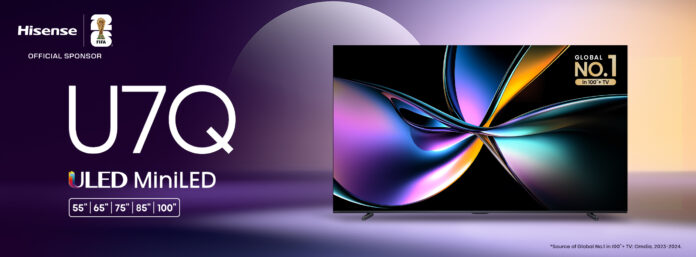
Buying a new TV is not always easy. With so many display technologies available, it can be hard to know which one is right for you. RGB Mini LED is one of the newer options getting attention for its colour and picture quality. But how is it different from a regular Mini LED TV? Let’s break it down in simple terms.
What Is Mini LED TV Technology?
A Mini LED TV uses thousands of tiny LEDs to light up the screen. These LEDs are much smaller than the ones used in a standard LED TV. Because there are more of them, the TV can control different parts of the screen more accurately.
This is where local dimming comes in. The TV can brighten areas that need to be bright and dim areas that should stay dark. The result is better contrast, deeper blacks, and brighter highlights.
A Mini LED TV can be a great choice for watching movies, sports, streaming shows, or playing games. It can also show more detail when a scene has both very bright and very dark areas.
What Is RGB Mini LED?
RGB Mini LED takes the Mini LED idea a step further. It uses red, green, and blue LED elements to create and control light on the screen.
These three colours are the building blocks used to create many of the colours we see on a TV. By controlling them more directly, RGB Mini LED technology can produce richer and more accurate colours.
An RGB Mini LED TV can also offer a more vibrant picture while keeping the brightness and contrast benefits of Mini LED technology. This makes it an interesting option for viewers who care a lot about colour and picture quality.
RGB Mini LED vs Mini LED: Key Differences
So, what is the real difference between RGB Mini LED and a standard Mini LED TV? Both use small LEDs and local dimming, but the way they handle colour is different.
Colour and Picture Quality
Colour is one of the biggest areas where RGB Mini LED can stand out. It uses red, green, and blue light sources to create colours, giving the TV more control over the way colours appear on the screen.
A standard Mini LED TV can still produce excellent colours. Some models also use quantum dot technology to make colours look brighter and more vibrant.
However, RGB Mini LED is designed to offer even more control. This can make colours look richer and more natural, especially in HDR movies, sports, and games.
Brightness and Contrast
Both technologies can deliver strong brightness and contrast. A Mini LED TV uses many small LEDs and local dimming zones to control brightness across different parts of the screen.
For example, when a scene shows a bright moon against a dark sky, the TV can make the moon bright while keeping the surrounding sky dark. This helps the image look more realistic.
RGB Mini LED combines this type of backlight control with RGB light sources. This can help improve colour performance without giving up the brightness and contrast that Mini LED is known for.
Viewing Experience
For everyday viewing, both options can deliver a noticeable step up from a standard LED TV. A Mini LED TV is a good fit for movies, TV shows, sports, streaming, and gaming.
An RGB Mini LED TV may be more appealing if you want richer colours and a more advanced picture. It can be a good choice for HDR content, colourful games, and high-quality movies where colour detail is important.
Which Is Better: RGB Mini LED or Mini LED?
It really depends on what you want from your TV.
A Mini LED TV is a great choice if you want high brightness, strong contrast, good black levels, and detailed pictures. It also gives you a wide range of options across different screen sizes and price points.
If colour performance is a top priority and you want newer display technology, RGB Mini LED may be worth looking at. An RGB Mini LED TV can offer more precise colour control while keeping the key benefits of Mini LED backlighting.
For most buyers, it is also worth looking beyond the backlight technology. Screen size, resolution, HDR support, refresh rate, smart features, and your budget all play a role in the overall viewing experience.
Final Thoughts
Both RGB Mini LED and Mini LED TV technology can deliver an impressive picture. The main difference is that RGB Mini LED focuses on giving the display greater control over colour, while Mini LED focuses on precise backlighting, brightness, and contrast.
If you want a strong all-round TV, a Mini LED TV can be a smart choice. If you want richer colours and are interested in newer display technology, an RGB Mini LED TV may be worth considering.

