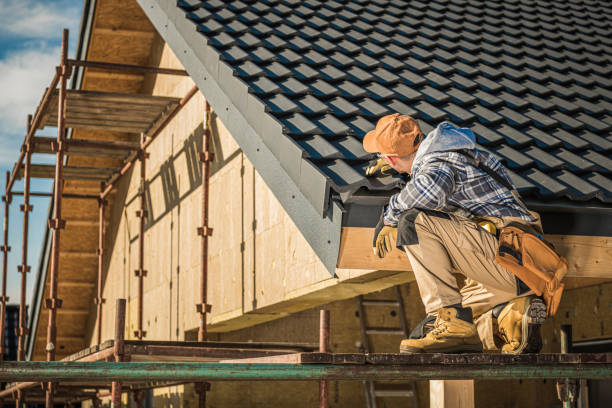
Owning a home is a huge milestone, but it also means dealing with a never ending list of maintenance chores. We easily notice a broken window or a chipped tile, yet the structure that takes the worst beating from the weather remains completely out of sight. Your roof works hard every single day to shield your family, your furniture, and your belongings from intense sun, pouring rain, and heavy winds. Unfortunately, many homeowners put off roof care until a major emergency leaves them with no choice. If you want to catch minor issues before they turn into a full blown financial nightmare, you should schedule your appointment now with a dependable team of roofing specialists. Taking care of your roof early is the single best way to ensure your house stays dry, safe, and stable for years to come.
Many people assume that if water isn’t actively dripping from their living room ceiling, their roof must be in perfect condition. Unfortunately, water is highly deceptive. It can quietly slip past damaged shingles and rot your internal wooden framing for months before a single drop appears in your living space. A strong roof does far more than just stop water from hitting your floor. It acts as a massive insulating blanket that balances your indoor temperatures, prevents your cooling and heating systems from working overtime, and keeps your property value high. By learning how your roof handles daily wear and tear, you can make smart decisions that protect your bank account and your home.
The Subtle Signs of Hidden Roof Failures
You do not need to be a professional contractor to figure out if your roof is struggling to stay strong. In fact, some of the most reliable warning signs can be spotted easily from your front lawn or by taking a quick look around your attic space. If you know exactly what to look for, you can catch minor problems before they ruin your drywall or destroy your expensive attic insulation.
Begin by taking a slow walk around the outside of your property on a bright, clear day. Look closely at the straight rows of shingles. Do you notice any spots where the edges are curling upward, buckling, or completely missing? Shingles serve as the waterproof skin of your house, and the moment they lose their flat shape, rainwater can easily find a path into the wood underneath. Another excellent indicator of an aging roof is finding a heavy buildup of dark, sandy granules sitting inside your gutter channels or at the bottom of your downspouts. These tiny stones protect the asphalt layer from damaging sun rays, and when they wash away in large amounts, it means your shingles are wearing thin.
Inside your home, the warning signs require quick action to prevent mold outbreaks. Check your ceilings and upper walls for faint yellow or brown water stains, especially around your chimney or venting pipes. Even a tiny discoloration usually means that water has been slowly soaking through your roof deck for several weeks. If you notice a musty, damp odor in your attic that persists regardless of the weather, it is a clear sign that moisture is trapped inside the structure and needs immediate attention.
The Secret to Lower Utility Bills
A common misunderstanding among homeowners is that a roof should act as a completely sealed, airtight lid on top of the house. In reality, a truly efficient roof needs a carefully designed system of intake and exhaust vents to let fresh air circulate naturally through the attic space. Proper roof ventilation is an absolute game changer when it comes to lowering your summer cooling costs and preventing winter structural rot.
During the hot summer months, the sun pounds down on your roof tiles, trapping intense heat inside your attic. If that hot air has no way to escape, your attic can easily transform into an absolute oven, reaching extreme temperatures. This heat radiates straight down through your ceiling, warming up your bedrooms and forcing your air conditioner to run constantly to keep you comfortable. Furthermore, that trapped heat cooks the shingles from underneath, causing the materials to become brittle and fail years before they should.
When the weather turns cold, a lack of proper airflow creates a completely different set of problems. Daily household activities like taking hot showers, running the dishwasher, and boiling water on the stove send warm steam floating up toward your ceiling. If this moisture cannot escape through roof vents, it condenses into water droplets against the cold wooden beams of your attic. This dampness creates an ideal breeding ground for hidden wood rot and hazardous mold colonies that destroy your framework.
Picking the Best Materials for Your Investment
If your current roof is approaching the end of its natural life, deciding on a replacement material can feel overwhelming because of the sheer number of options available on the market today. The choice you make will dictate how long your home stays protected, how much maintenance you will have to perform, and how your house looks to the rest of the community.
Asphalt shingles remain the absolute classic option for the majority of residential neighborhoods. They are highly affordable, come in almost any color you can imagine, and offer reliable water protection for a couple of decades. They represent the perfect choice for families looking for a solid balance between upfront cost and dependable performance.
For those who want to invest in ultimate durability, metal roofing has grown incredibly popular over the last few years. Metal panels are practically immune to high winds, completely fireproof, and do a phenomenal job of reflecting solar heat away from your living spaces. While the initial cost is higher than asphalt, a metal roof can easily last for fifty years or more, meaning you will likely never have to pay for a roof replacement ever again.
Why Professional Service is Worth Every Penny
The popularity of home improvement internet channels has inspired many people to try tackling complex home repairs on their own. However, roofing is one specific area where amateur work can lead to devastating long-term consequences and serious physical injuries.
Licensed roofing professionals bring specialized training, proper safety harnesses, and heavy duty diagnostic tools to every project they handle. An expert roofer does not just patch a visible leak; they find the deep root cause of the trouble. Water is incredibly deceptive, often entering through a cracked seal near the peak of your roof and traveling along horizontal rafters before finally dripping down into a completely different room. Professionals can trace these complicated paths instantly, ensuring the actual problem is permanently resolved rather than just covered up temporarily.
Quick Habits to Keep Your Roof Strong
While major repairs and full installations must always be left to the experts, homeowners can practice a few easy habits to get the absolute longest life out of their existing roofs. Regular prevention is always much cheaper than emergency repairs.
- Keep your gutters clean: When autumn leaves and twigs clog your downspouts, rainwater backs up over the edge of your roofline, soaking the wooden trim boards and rotting the edges of your roof structure.
- Trim overhanging branches: Strong winds can cause heavy tree limbs to scrape against your roof, tearing away the protective surface of your shingles or puncturing the roof deck entirely.
- Inspect after big storms: Make it a point to glance up at your roof lines after any major high wind event so you can spot and repair minor damage before the next rain arrives.

