Walk down the cleaning supply aisle of any store and you will find shelves of specialized products, each promising to tackle a specific job, often at a specific price and with a long list of chemical ingredients most people cannot pronounce. A growing number of households are turning back toward simpler, natural alternatives, not out of nostalgia, but because these approaches genuinely work, cost a fraction of the price, and avoid introducing unnecessary chemicals into spaces where families eat, sleep, and spend most of their time together every single day.
Building a natural cleaning and pest control routine does not require an elaborate setup or hard-to-find ingredients. Most effective natural solutions rely on a small handful of versatile staples that most homes already have on hand or can pick up cheaply at any grocery store, making the switch far more accessible than it might initially seem to someone who has always relied on specialized commercial products for every single cleaning task around the house.
The Core Natural Cleaning Staples
• White vinegar, effective for cutting grease, removing odors, and disinfecting many surfaces
• Baking soda, useful as a mild abrasive scrub and natural deodorizer
• Castile soap, a plant-based soap suitable for everything from dishes to floors
• Lemon juice, which cuts through grease and leaves a fresh scent behind
Keeping these four staples stocked at all times, along with a few empty spray bottles and a supply of microfiber cloths, means you are rarely more than a few minutes away from mixing up whatever cleaning solution a given task requires.
All-Purpose Natural Cleaner
A simple mixture of equal parts water and white vinegar, sometimes with a few drops of an essential oil added for scent, handles the vast majority of everyday cleaning tasks around a home, from countertops to bathroom fixtures to glass surfaces. This single solution replaces multiple specialized, single-purpose cleaning products, simplifying your cleaning supply cabinet considerably while performing just as effectively for most routine tasks.
Natural Solutions for Common Household Pests
Just as natural ingredients can replace harsh chemical cleaners, they can also replace many chemical pest control products for common household pest problems. Different pests respond to different natural approaches, and understanding which method fits which pest makes your natural pest control efforts significantly more effective.
• Peppermint oil diluted in water deters spiders and ants around entry points
• Diatomaceous earth controls crawling insects like cockroaches and bed bugs through physical rather than chemical action
• Cedar blocks or cedar oil naturally repel moths in closets and storage areas
• Vinegar and water solutions disrupt ant scent trails on countertops and floors
Natural Solutions for Fabric and Carpet Care
Baking soda sprinkled generously over carpets, left for at least fifteen minutes, and then vacuumed thoroughly absorbs odors naturally without the synthetic fragrance chemicals found in most commercial carpet powders. For fabric stains, a paste of baking soda and water applied directly, or a diluted vinegar solution for certain stain types, often outperforms specialized stain removers for common household spills while costing a fraction of the price.
Natural Wood Furniture and Floor Care
A simple mixture of olive oil and lemon juice creates an effective natural wood polish that conditions and cleans in one step, avoiding the buildup of synthetic silicone-based polishes that can eventually leave wood surfaces looking cloudy over time. For wood floors, a well-wrung mop with a diluted vinegar solution cleans effectively without leaving the sticky residue that some commercial floor cleaners can leave behind with repeated use.
Natural Solutions for Bathroom Cleaning
Bathrooms present a particular cleaning challenge due to moisture, soap scum, and hard water deposits, but natural ingredients handle these issues effectively without harsh fumes in a small, often poorly ventilated space. A paste of baking soda and a small amount of castile soap tackles soap scum and light grime on tubs and shower walls, while straight white vinegar sprayed on faucets and showerheads and left to sit dissolves hard water mineral deposits without scratching fixtures the way some abrasive commercial cleaners can over repeated use.
Natural Solutions for Window and Glass Cleaning
A simple mixture of water and a small amount of white vinegar in a spray bottle, wiped with a microfiber cloth or crumpled newspaper, produces streak-free glass and mirror surfaces without the ammonia smell common in many commercial glass cleaners. This solution works equally well on stainless steel appliances, cutting through fingerprints and light grease without leaving the cloudy residue some specialized stainless steel cleaners can leave behind with regular use.
Tackling an Ant Infestation at the Source
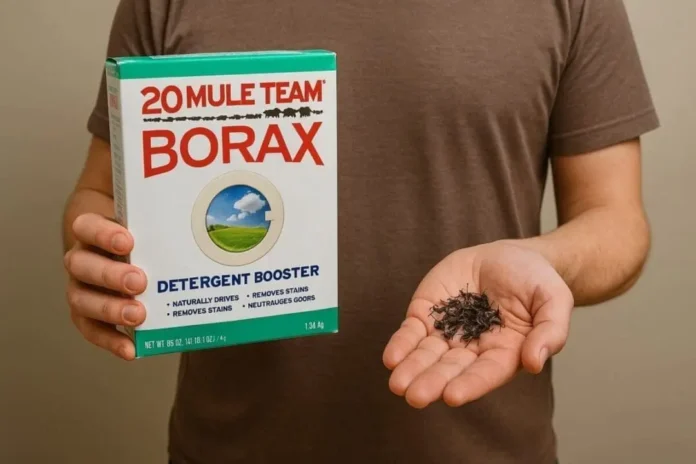
Ants deserve special attention among household pests because surface cleaning and scent deterrents alone rarely resolve a persistent problem, since the colony itself remains untouched behind walls or outdoors near the foundation. A Borax ant killer bait approach addresses this directly, using the ants’ own foraging instinct to carry a solution back to the colony rather than only dealing with the individual ants you happen to see crossing your kitchen counter on any given day.
Natural Solutions for Bathroom and Kitchen Mold
A spray of undiluted white vinegar, left to sit for an hour before wiping, effectively kills many common household mold and mildew species without the strong fumes and chemical residue left behind by bleach-based products. For more established mold, a paste of baking soda and water applied directly and left to dry before scrubbing provides additional abrasive power for stubborn spots in grout lines and around fixtures.
Natural Solutions for Drain and Disposal Odors
A combination of baking soda followed by white vinegar poured down a smelly drain creates a natural fizzing action that helps break down buildup and neutralize odors without the harsh chemicals found in commercial drain cleaners. Following with hot water flushes the loosened residue through, and this simple routine performed monthly prevents the kind of buildup that leads to more serious and stubborn drain odors over time.
Air Freshening Without Synthetic Fragrance
Simmering a small pot of water with citrus peels, cinnamon sticks, or fresh herbs on the stove provides natural, chemical-free air freshening that many people find more pleasant and longer lasting than commercial air fresheners, which often rely on synthetic fragrance compounds. A small bowl of baking soda placed in a refrigerator or closet similarly absorbs odors naturally without adding any scent of its own, addressing the actual smell rather than simply masking it.
Storing and Labeling Your Natural Solutions
Even natural ingredients should be stored thoughtfully, particularly in households with young children or pets. Keep diluted solutions in clearly labeled spray bottles, store concentrated ingredients like borax and diatomaceous earth out of reach of children and pets, and never mix vinegar with bleach, since combining the two produces dangerous fumes despite both being common household staples used separately for cleaning. A small dedicated shelf or bin for your natural cleaning supplies keeps everything organized and easy to find whenever a cleaning task comes up.
Natural Solutions for Laundry
White vinegar added to the rinse cycle acts as a natural fabric softener and helps remove residual detergent buildup, while a half cup of baking soda added alongside your regular detergent boosts cleaning power for heavily soiled loads without additional synthetic brightening agents. For stubborn odors in workout clothes or towels, a soak in a vinegar and water solution before washing helps break down the bacteria responsible for the smell more effectively than an extra scoop of regular detergent alone.
Making the Switch Room by Room
Rather than attempting to overhaul your entire home’s cleaning and pest control routine in a single weekend, consider tackling one room at a time, starting with whichever space bothers you most or sees the heaviest daily use. This gradual approach lets you build confidence with natural alternatives, identify which specific products or techniques work best for your household’s needs, and avoid the overwhelm that can come from trying to change too many habits simultaneously.
Building a Sustainable Household Routine
Transitioning fully to natural cleaning and pest control does not need to happen overnight. Start by replacing one or two specific products you use most often, get comfortable with how the natural alternatives perform, and expand from there as your confidence and routine develop. Most households find that within a few months, natural alternatives have quietly replaced the majority of their previous chemical-based cleaning and pest control products, often saving money in the process while reducing the number of synthetic chemicals present in daily home life. Keeping a small reference list of your go-to natural recipes taped inside a cabinet door makes the transition even easier for every member of the household to follow consistently.
A natural approach to cleaning and pest control is not about perfection or eliminating every synthetic product from your home overnight. It is about making thoughtful, informed swaps where natural alternatives genuinely perform as well or better, building a home environment that feels cleaner in more ways than one. Give yourself permission to experiment, adjust recipes to fit your own home’s specific needs, and enjoy the process of building a routine that works for your family long term.

